| |
|
|
|
|
|
|
|
|
| © Yachtsnet Ltd. 2000/2026 |
|
|
|
| |
|
|
Yachtsnet's
archive of boat details and pictures
|
| |
The following information and photographs are
displayed as a service to anyone researching yacht types. HOWEVER THE PHOTOGRAPHS AND TEXT ARE COVERED BY COPYRIGHT, AND MAY NOT BE REPRODUCED WITHOUT THE PERMISSION OF YACHTSNET LTD. Details and photographs
are normally based on one specific yacht, but could be a compilation.
No reliance should be placed on other yachts of the same class being
identical. Where common variations exist, we have endeavoured
to indicate this in these archive details. |
Colvic Countess 28 |
Brief details |
Builder |
Various builders, on Colvic Countess 28 hull and
deck mouldings |
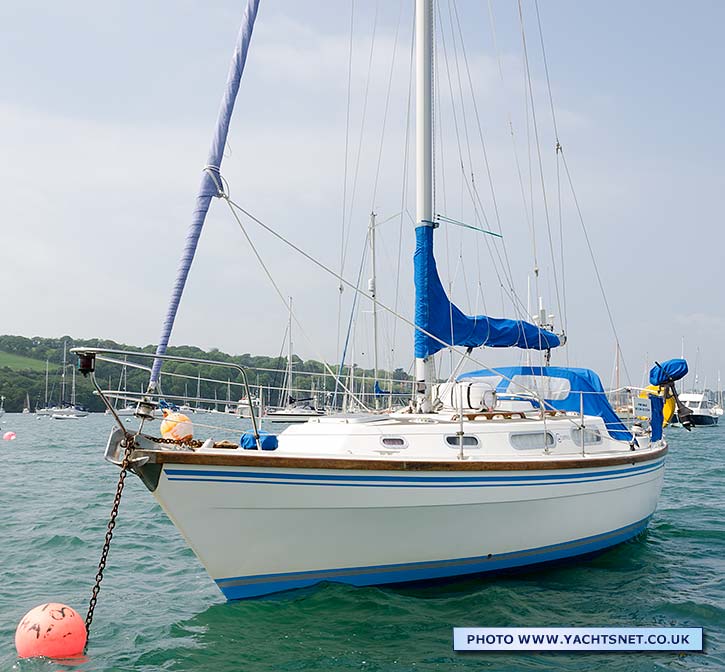
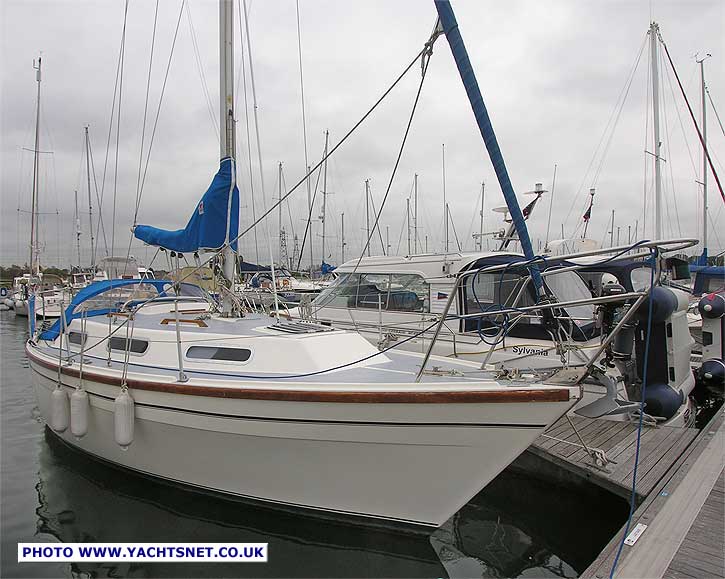
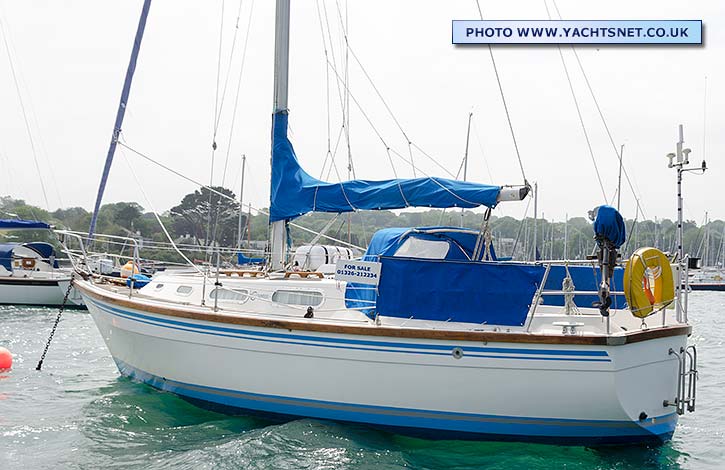
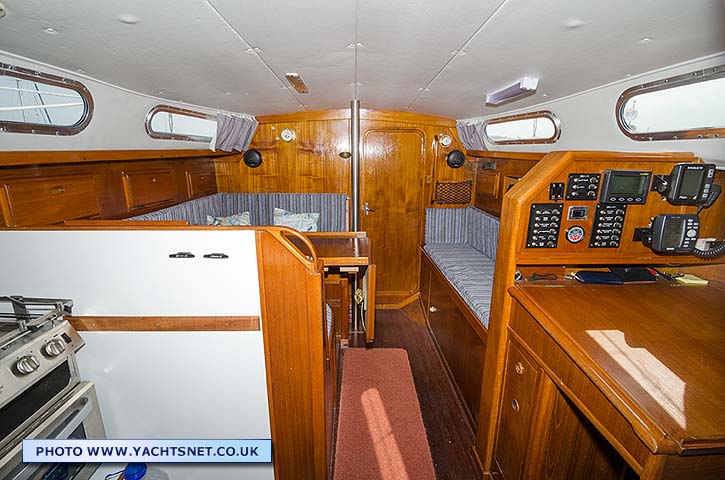
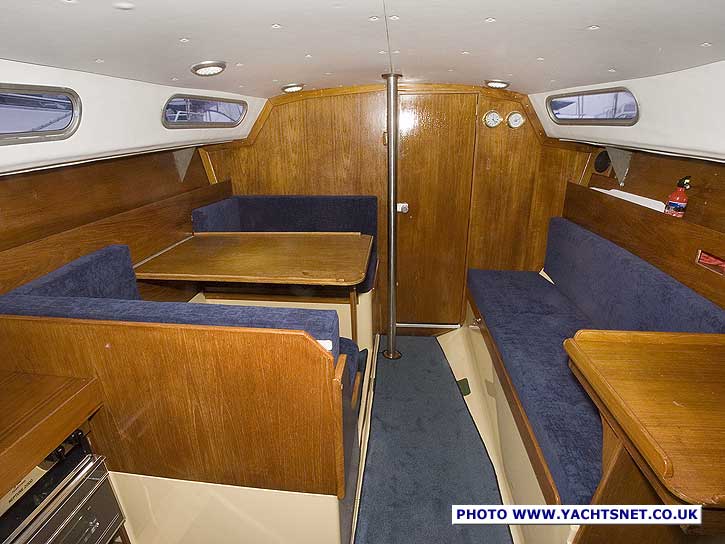
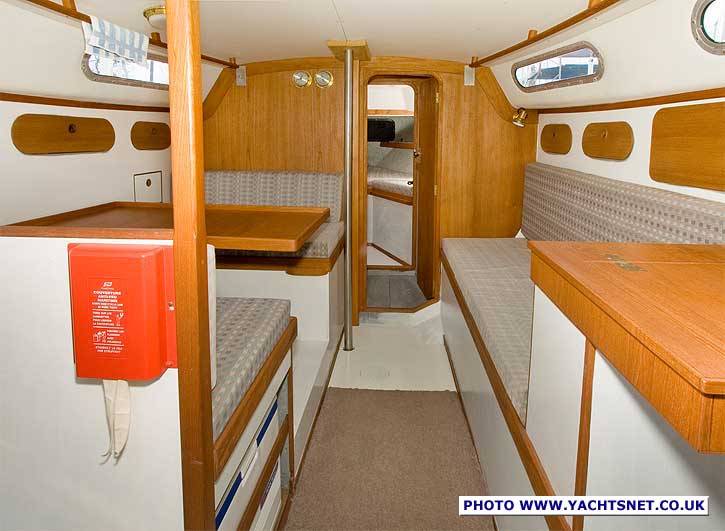
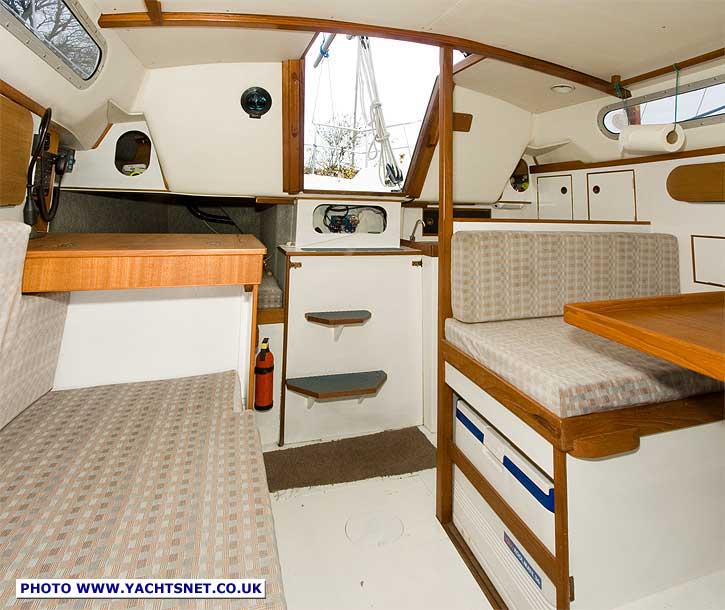
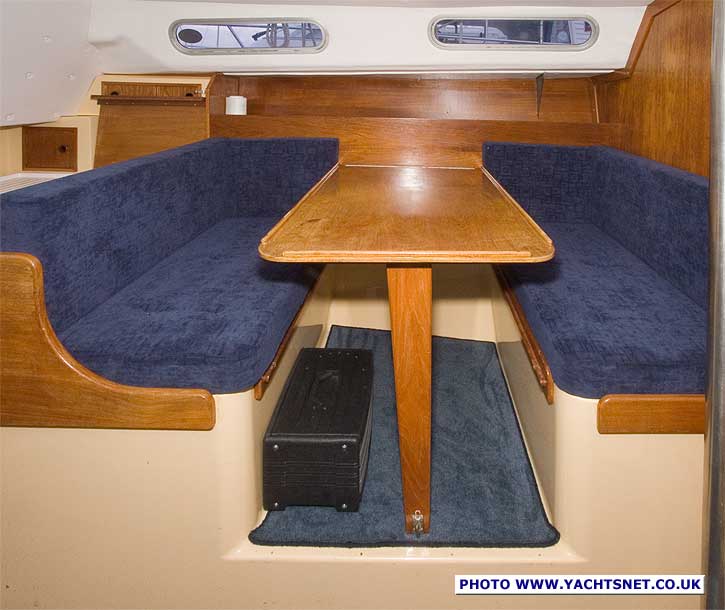
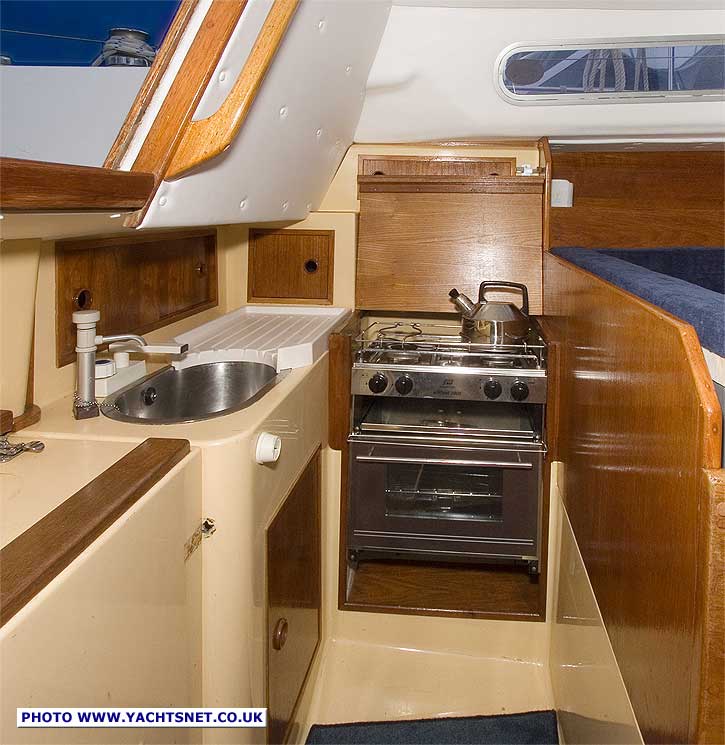
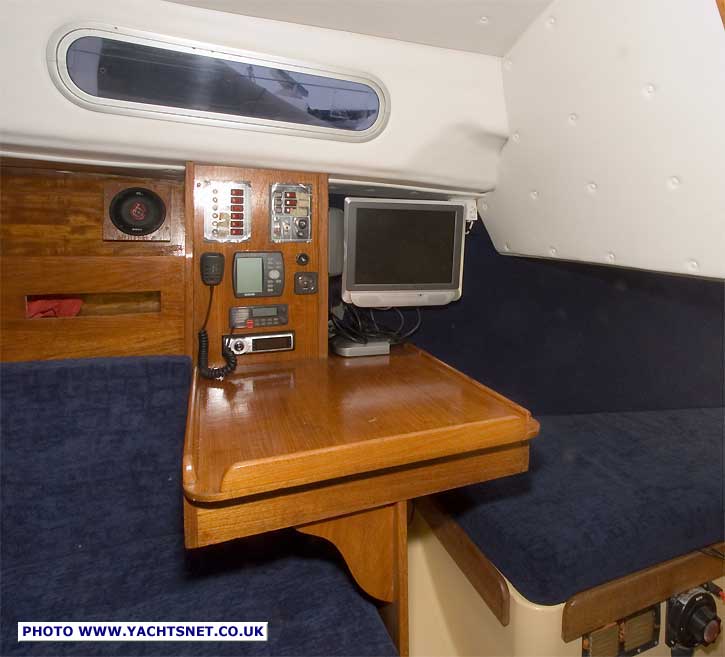
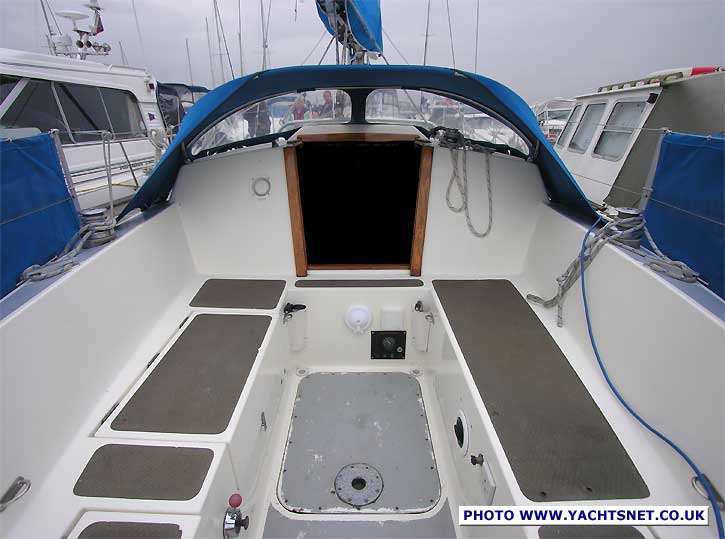
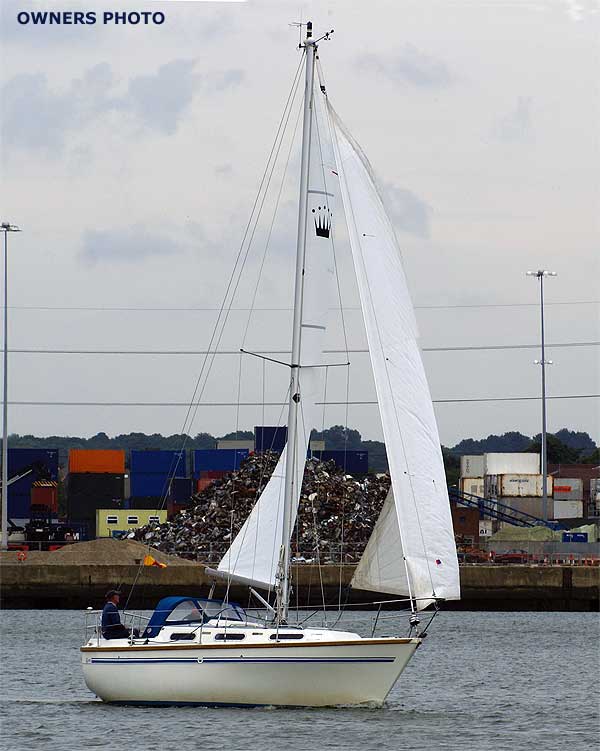
The Countess 28 is
a high volume family cruiser with a very spacious interior for her
length. A good example offers similar accommodation and performance
to a Westerly Konsort, at generally lower cost. Prices of Countess 28s can
vary greatly as standards of fit out can differ between poor amateur
and fully professional completion, plus the very occasional example of an amateur fitout that is even better quality than most yard-built boats. |
LOA |
28' 0" |
Sail area |
450 sq ft main and genoa |
LWL |
24' 3" |
Rig |
Sloop |
Beam |
10' 2" |
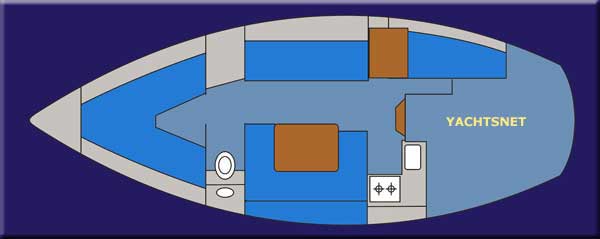
Cabins |
saloon & forecabin |
Draught |
4' 9" or 3' 10" |
Berths |
6 |
Displacement |
9,050 lbs |
Engine |
Various |
Ballast |
3,760 lbs |
BHP |
typically 12 - 24 |
Keel type |
Fin or twin bilge keels with encapsulated ballast
and skeg-hung rudder |
|
|
In the 1970s/80s Colvic (Ardleigh Laminated Plastics) was one of the largest
moulders of GRP yacht hulls in England, the bare hulls being
then sold on both to professional yacht builders, and to DIY
home finishers. The Horizon 28 was one of the several versions
of the Countess 28 built professionally, and sold under the
builders own name.
The Countess 28 was designed in 1979 by Ian Anderson as
a comfortable, solid cruising yacht. There are few other 28-footers,
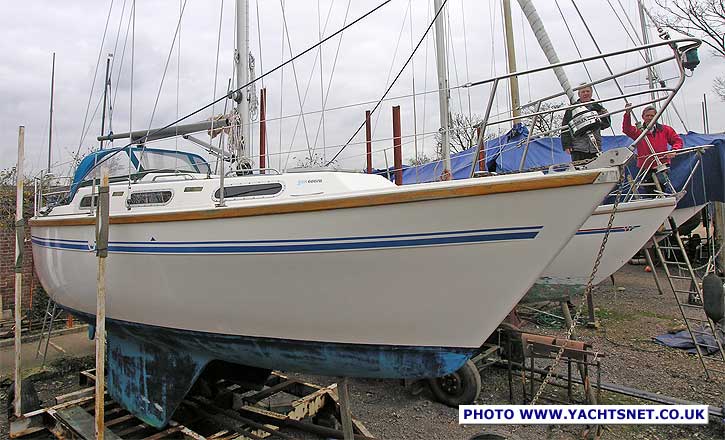
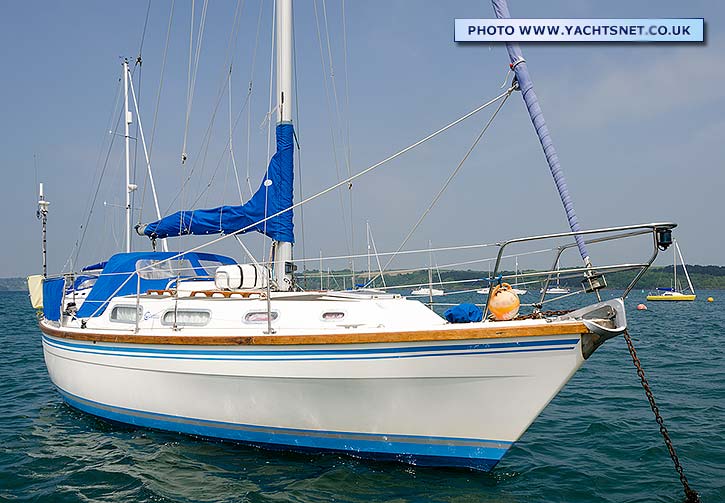
even now, with as much interior space. At first glance people sometimes mistake them for Westerlys, as they share the same distinctive bow chine in the hull as many of the earlier Westerlys.
Both fin keel and twin bilge keel versions were produced,
though more bilge-keelers than fin-keelers were sold. The
ballast material used in the keels will usually be steel/iron,
encapsulated in resin, though you may occasionally find yachts
with lead ballast. |
|
|
|